

 See My Latest Article on HelloNation
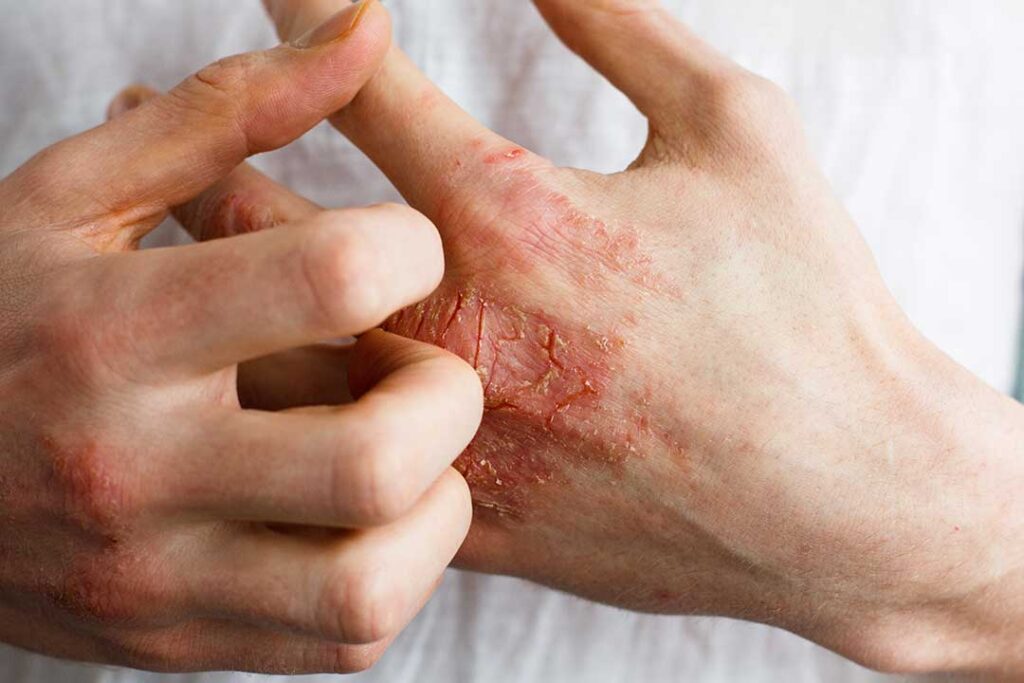
Skin allergies can cause itching, redness, swelling, hives, or a rash that seems to appear without warning. Some reactions begin within minutes, while others develop over a day or two after exposure. Understanding the pattern of the reaction can help residents of Mansfield, TX decide what to do at home and when medical evaluation is needed.
What are skin allergies?
A skin allergy occurs when the immune system reacts too strongly to a substance that is usually harmless. The reaction may involve direct skin contact, something eaten or taken as medicine, or an environmental trigger.
Common skin-related allergic conditions include:
- Allergic contact dermatitis: An itchy rash develops after the skin touches a triggering substance.
- Hives, or urticaria: Raised, itchy welts appear and may move from one area of the body to another.
- Angioedema: Swelling develops deeper in the skin, often around the eyelids, lips, hands, or feet.
- Atopic dermatitis: Also called eczema, this condition involves a weakened skin barrier and recurring inflammation. Allergies may worsen it, although eczema is not always caused by an allergy.
Not every rash is an allergy. Infections, heat rash, insect bites, medication side effects, psoriasis, fungal conditions, and irritation from friction or chemicals can look similar.
What does an allergic skin reaction look and feel like?
The appearance depends on the type of reaction. Allergic contact dermatitis often causes redness, itching, scaling, cracking, or small fluid-filled blisters. The rash may be limited to the area that touched the trigger, such as the hands, neck, face, wrists, or eyelids.
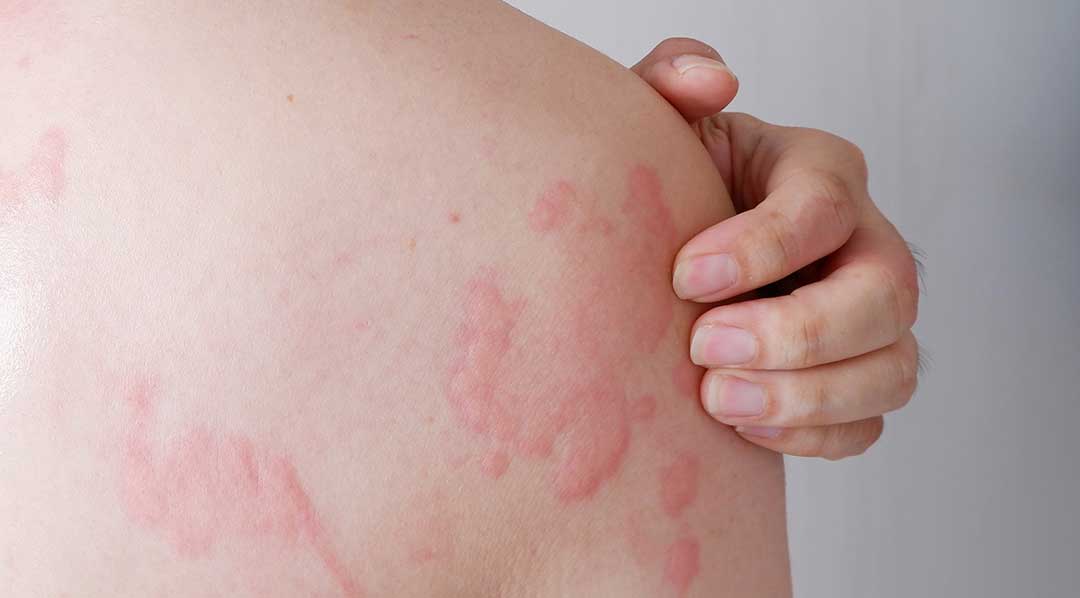
Hives are usually smooth, raised welts that can be pale, pink, or red. Individual welts often fade within 24 hours, although new ones may appear elsewhere. Scratching can make the itching worse but does not cause the underlying allergy.
Swelling around the eyes or lips can occur with hives or other allergic reactions. If swelling involves the tongue or throat, or if breathing or swallowing becomes difficult, emergency care is needed.
What commonly triggers skin allergies?
Many everyday substances can cause allergic contact dermatitis. Common examples include:
- Fragrance in soaps, lotions, cosmetics, detergents, and household products
- Preservatives used in personal-care products
- Hair dye ingredients
- Nickel in jewelry, watches, belt buckles, and clothing fasteners
- Rubber chemicals in gloves, elastic, footwear, or sports equipment
- Adhesives in bandages, athletic tape, or medical devices
- Plants such as poison ivy
- Topical antibiotics and some medicated creams
A product labeled “natural,” “botanical,” or “hypoallergenic” can still cause a reaction. These descriptions do not guarantee that a product is free of fragrance, plant extracts, preservatives, or other potential allergens.
In Mansfield, outdoor exposure may vary with seasonal pollen, heat, humidity, gardening, yard work, and time spent around grasses or trees. Pollen more commonly causes nose and eye symptoms, but it can also irritate sensitive skin or settle on the skin and clothing. Sweat, friction, and frequent washing may further weaken the skin barrier.
How can someone identify the cause?
The timing and location of the rash provide useful clues. Consider what touched the skin during the previous 48 hours, including products used only occasionally.
Keep a brief record of:
- New soaps, detergents, cosmetics, or medications
- Jewelry, watches, clothing, gloves, or athletic equipment
- Yard work, hiking, gardening, or contact with plants
- Hair coloring or salon-related products
- Workplace or household cleaning substances
- Foods, medicines, insect bites, or infections that occurred before hives
A reaction may not occur the first time a person encounters an allergen. The immune system may become sensitized first, with symptoms appearing after later exposures. This is why a product used for months or years can sometimes become the suspected trigger.
What is patch testing?
Patch testing is used to investigate allergic contact dermatitis. Small amounts of suspected allergens are placed on the back using adhesive panels. The skin is examined after the panels are removed and again several days later because contact allergies can develop slowly.
Patch testing is different from the skin-prick testing often used for immediate allergies such as hay fever or some food reactions. The test is designed to identify substances that cause delayed skin inflammation, including fragrance ingredients, preservatives, metals, rubber chemicals, and hair-dye components.
Testing may be especially useful when a rash keeps returning, affects the hands or face, or does not improve despite avoiding obvious irritants.
What can help relieve a mild rash?
The most useful first step is to stop exposure to the suspected trigger. Gently rinse the area with lukewarm water and use a mild, fragrance-free cleanser if needed. Avoid scrubbing, exfoliating, or applying multiple new products to the rash.
Other practical measures include:
- Use cool, damp compresses for short periods to reduce itching.
- Apply a plain, fragrance-free moisturizer to support the skin barrier.
- Keep fingernails short to reduce skin damage from scratching.
- Wear loose, breathable clothing during hot or humid weather.
- Wash clothing and bedding if plant oils, pollen, or a product residue may be involved.
- Ask a pharmacist or medical professional about whether an over-the-counter antihistamine or topical medication is appropriate.
Do not use leftover prescription creams, especially on the face, eyelids, groin, or skin folds, without guidance. Strong topical steroids can thin delicate skin or worsen certain infections. Scratching can also create openings that allow bacteria to enter.
When should a rash be medically evaluated?
Medical evaluation is appropriate when the rash is widespread, painful, blistering, infected-looking, recurrent, or interfering with sleep. Evaluation is also sensible when the cause is unclear, symptoms persist after avoiding a suspected trigger, or a new medication may be involved.
Seek urgent care for rapidly spreading hives, significant facial swelling, extensive blistering, skin peeling, fever, or a rash involving the eyes or mouth.
Call emergency services immediately for possible anaphylaxis. Warning signs include trouble breathing, wheezing, throat tightness, faintness, repeated vomiting, sudden tongue swelling, or hives occurring with symptoms in another body system. A severe allergic reaction can progress quickly and requires emergency treatment.
Are skin allergies preventable?
Many reactions can be reduced by identifying and avoiding the responsible trigger. Choose fragrance-free products when possible, introduce new products one at a time, and test a small amount on an inconspicuous area before using it more broadly. This type of home test cannot rule out a true allergy, but it may reveal obvious irritation.
For outdoor activities, changing clothes after yard work, washing exposed skin, and keeping outdoor clothing separate from bedding can reduce contact with plant material and pollen. During hot weather, managing sweat and friction may also help prevent flare-ups.
A recurring rash is not something that must simply be tolerated. Accurate identification of the trigger can reduce repeated exposure and make treatment more focused.