

 See My Latest Article on HelloNation
What Is Hyperpigmentation?
Hyperpigmentation describes areas of skin that become darker than the surrounding tissue due to excess pigment. This common skin concern appears as spots, patches, or widespread darkening and can affect people of all ages and skin types living in Mansfield, TX. Although the appearance can be alarming or frustrating, most forms are not dangerous.
Why Does Skin Develop Dark Spots or Patches?
Skin darkens in response to an increase in melanin, the natural pigment that gives skin its color. Several common causes can trigger this increase:
- Sun Exposure: Ultraviolet (UV) rays stimulate cells called melanocytes to produce more pigment. Local residents with high sun exposure—whether at community pools, during outdoor sports, or while gardening—often notice gradual or patchy darkening on exposed areas like the face and arms.
- Post-Inflammatory Changes: Any injury or inflammation, such as acne breakouts, bug bites, or scratched rashes, can leave behind darker spots as the skin heals. This is common among those prone to allergies or frequent minor skin irritation.
- Hormonal Shifts: Pregnancy, some birth control pills, or hormone conditions can activate pigment production, causing “melasma”—a patterned discoloration frequently seen across cheeks, forehead, or upper lip.
- Medications and Health Conditions: Certain medications, like some antibiotics or chemotherapy agents, may cause skin darkening. Underlying medical issues, such as Addison’s disease, though rare, can also contribute.
How Do Sun and Weather in the Community Affect Hyperpigmentation?
Local weather plays a significant role. Mansfield’s summer UV index is often high, increasing the risk for sun-related dark spots regardless of skin tone. Even indirect exposure—such as driving or walking short distances during peak sunlight—can gradually worsen existing discoloration. Humid conditions can also encourage skin inflammation, which may lead to more frequent post-inflammatory dark spots.
Which Daily Habits Can Make Dark Patches Worse?
Some everyday routines can unintentionally worsen unwanted pigmentation:
- Avoiding sunscreen, even in the cooler months or on cloudy days
- Picking or scratching at healing blemishes
- Using highly fragranced or harsh skin products that irritate sensitive areas
- Using lemon juice or DIY skin-lightening remedies, which can cause irritation and rebound darkening
Can Hyperpigmentation Be Prevented?
Yes, but not always completely. Protective measures make a considerable difference for area residents:
- Apply broad-spectrum sunscreen with SPF 30 or higher every day, reapplying during outdoor activities
- Wear hats, sunglasses, and protective clothing during prolonged time outdoors
- Treat rashes, allergic reactions, or acne early to minimize inflammation
- Use mild, fragrance-free products to avoid additional skin irritation
What Treatment Options Are Safe and Effective for Local Households?
The best treatments depend on the type and cause of darkening, but several approaches have scientific support:
1. Topical Treatments
- Retinoids (Vitamin A derivatives): Promote skin turnover and help fade spots gradually.
- Vitamin C or niacinamide serums: May brighten skin and reduce pigment over time.
- Azelaic or kojic acid creams: Help block pigment production when used regularly.
- Hydroquinone: Sometimes used short-term for deeply set spots but requires monitoring because long-term use can worsen issues in some skin types.
Most people using these treatments see gradual improvement over several weeks to months. Sun protection must continue for best results.
2. Medical Procedures
For more stubborn or widespread pigmentation, dermatology clinics may offer:
- Chemical peels: Use controlled solutions to lift away pigmented cells.
- Laser therapy: Targets deeper pigment but may not be suitable for all skin tones.
- Microdermabrasion: Gently buffs away surface cells; typically used for mild cases.
The choice of procedure depends on an individual’s skin tone, medical history, and the specific type of darkening.
What About Home Remedies or Over-the-Counter Products?
Local residents often look for convenient solutions in local stores. While some over-the-counter brightening creams can help, “natural” or DIY methods found online may do more harm than good. Lemon juice, peroxide, or abrasive scrubbing may leave skin more irritated and vulnerable to further pigmentation. Patch testing and reading ingredient lists are smart steps before trying new products.
Are There Groups More Prone to Skin Darkening in the Area?
Individuals with medium to deep skin tones are naturally more likely to develop visible pigmentation changes after sun, injury, or inflammation. Hormonal fluctuations, often linked to pregnancy or specific medications, can increase the risk—especially for women. Active outdoor lifestyles frequently seen in local parks or sports leagues can also contribute, particularly in children and teenagers.
Can Hyperpigmentation Signal a More Serious Condition?
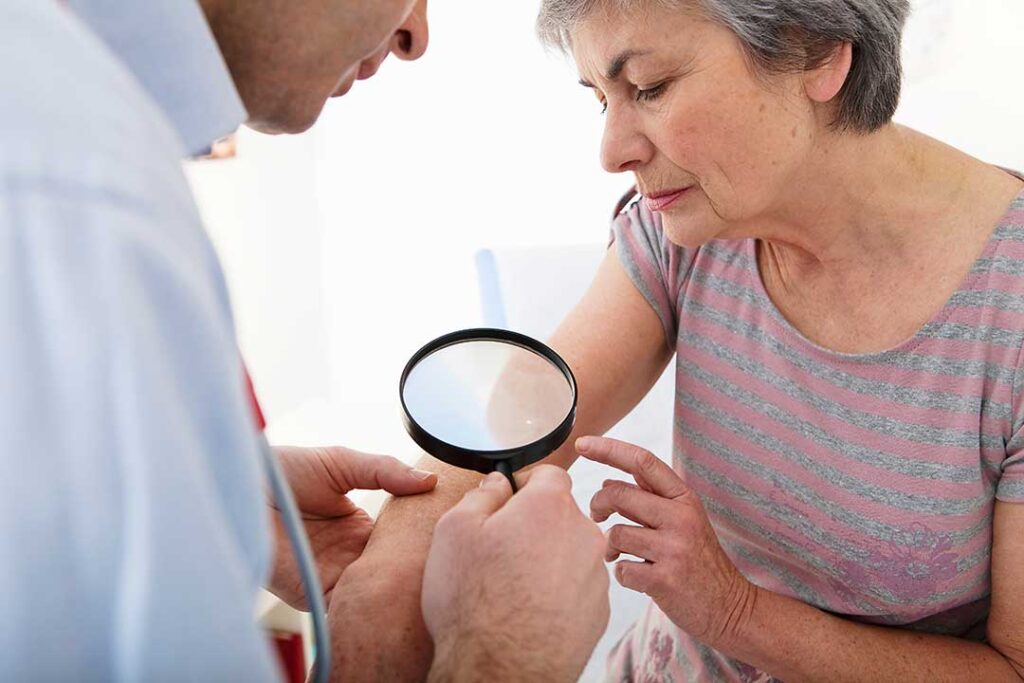
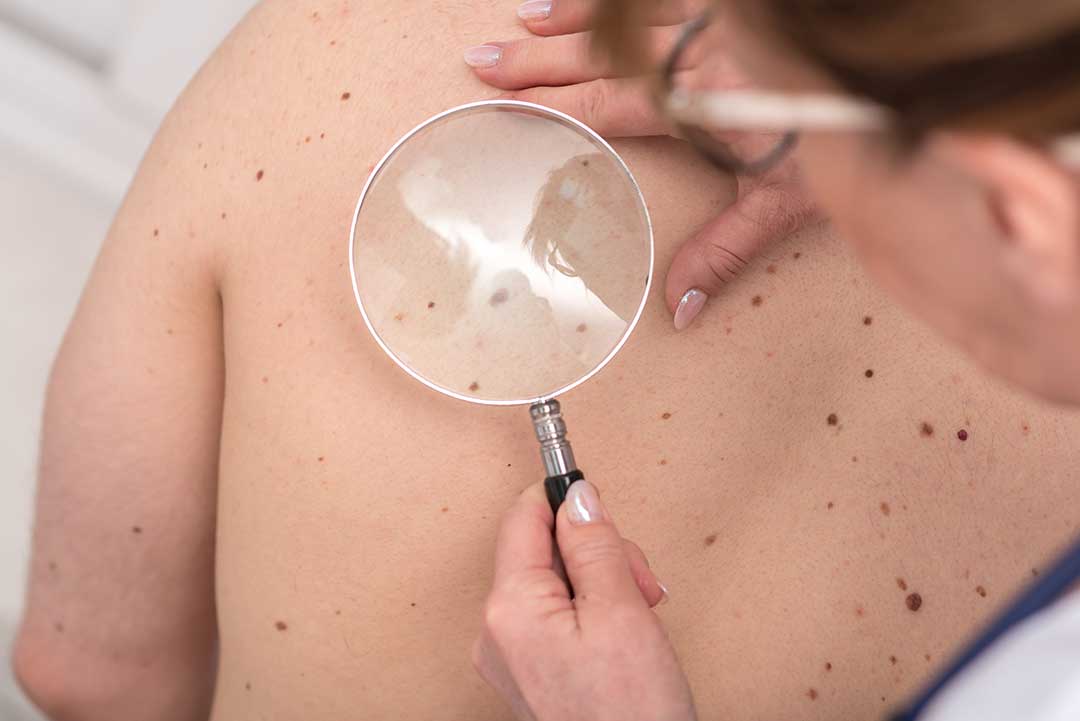
Most dark spots are harmless, but some may be early signs of skin cancer or rare systemic illnesses. Any rapidly changing spot, patch with irregular borders, or area that bleeds, hurts, or doesn't fade with typical care should be checked by a licensed medical provider.
What Are Common Misconceptions About Treatment and Prevention?
Misunderstandings can lead to frustration or disappointment:
- Stronger products don’t always mean faster results: Overuse often causes irritation or burns, which can worsen pigmentation.
- Sun exposure through windows still stimulates pigment: Many area homes and vehicles have plenty of indirect sunlight.
- Permanent lightening is unusual: Maintenance is usually necessary; even faded spots can return without ongoing sun protection.
Hyperpigmentation is a common skin issue in the community, but with careful sun habits, ingredient awareness, and recognition of triggers, most residents can minimize both the development and long-term impact of dark spots.