

 See My Latest Article on HelloNation
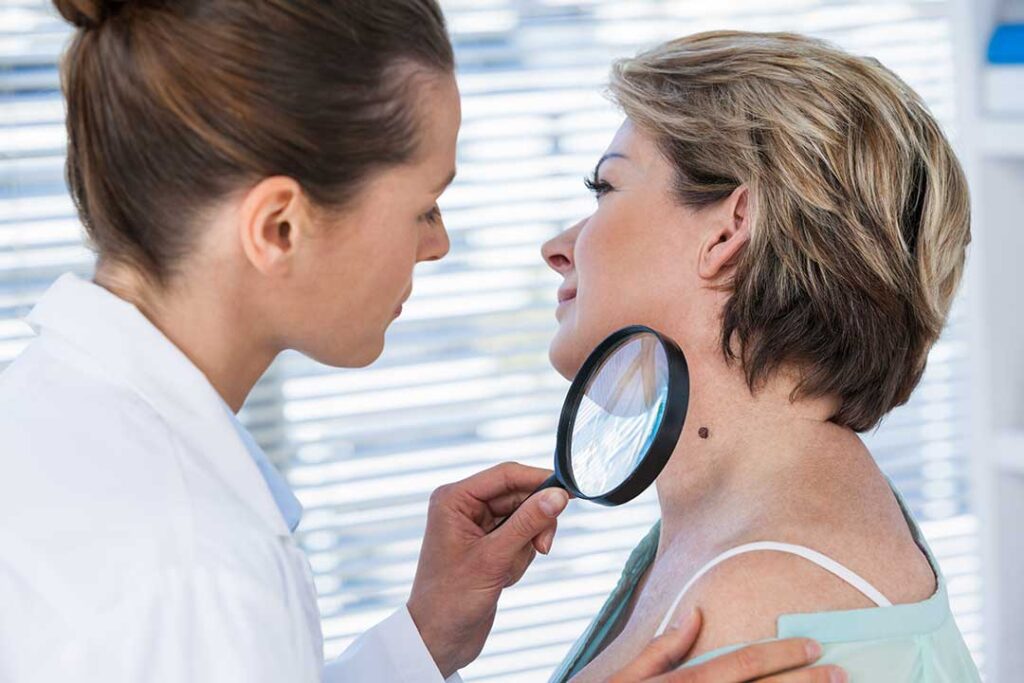
Contact dermatitis is an itchy, irritated rash caused by something that touches the skin. It may result from direct irritation or an allergic reaction, and it is not contagious. The rash can occur anywhere, but the hands, face, eyelids, neck, underarms, feet, and areas beneath jewelry are common locations. ([aad.org](https://www.aad.org/public/diseases/eczema/types/contact-dermatitis/symptoms?utm_source=openai))
What does contact dermatitis look and feel like?
The most noticeable symptom is often itching, although burning, stinging, tenderness, or pain may come first. Skin can become red, swollen, dry, cracked, scaly, bumpy, or blistered. Blisters may ooze and form crusts as they heal. On darker skin tones, redness may be less obvious, while swelling, texture changes, gray-purple discoloration, or darker patches may be more noticeable. ([aad.org](https://www.aad.org/public/diseases/eczema/types/contact-dermatitis/symptoms?utm_source=openai))
The location of the rash can offer useful clues:
- A rash under a watch, ring, necklace, belt buckle, or glasses may suggest a metal or material allergy.
- Eyelid irritation may come from cosmetics, shampoo, hair products, nail products, or something transferred from the fingers.
- Hand dermatitis is common after repeated exposure to soap, sanitizer, cleaning products, water, solvents, or workplace materials.
- A rash on the tops of the feet may be related to shoes, adhesives, dyes, or rubber components.
- A streaked or linear rash after outdoor activity may be caused by plant exposure.
In Mansfield, outdoor gardening, yard work, sweating, and frequent handwashing during warm weather can make it easier to notice irritation. Heat and moisture do not necessarily cause contact dermatitis, but they can increase friction and make already-irritated skin feel worse.
How is irritant contact dermatitis different from allergic contact dermatitis?
Irritant contact dermatitis occurs when a substance directly damages or weakens the skin. Frequent handwashing, household cleaners, detergents, solvents, cement, and prolonged contact with water are common examples. Symptoms may begin quickly and often include dryness, burning, cracking, and soreness. ([aad.org](https://www.aad.org/public/diseases/eczema/types/contact-dermatitis/causes?utm_source=openai))
Allergic contact dermatitis involves an immune reaction to a substance. Common triggers include nickel, fragrances, preservatives, hair dye, cosmetics, adhesive materials, rubber, topical antibiotics, and plant oils such as urushiol from poison ivy. The reaction may appear hours or even days after exposure, which can make the cause difficult to identify. Once an allergy develops, even a small amount of the substance may trigger another rash. ([mayoclinic.org](https://www.mayoclinic.org/diseases-conditions/contact-dermatitis/symptoms-causes/syc-20352742?p=1&utm_source=openai))
The two types can look similar, and a person may have both. A rash that repeatedly returns in the same area deserves closer evaluation rather than repeated trial-and-error treatment.
What should be done when a new rash appears?
The first step is to stop using or handling anything that may have touched the area recently. Think beyond new products. A reaction can come from a familiar item, a change in formula, a cleaning task, a hobby, a new piece of clothing, or a substance transferred from another part of the body.
Gently rinse the skin with lukewarm water. Avoid scrubbing, exfoliating, rubbing alcohol, fragranced cleansers, and hot water. Apply a bland, fragrance-free moisturizer while the skin is slightly damp. Cool, wet compresses may ease itching and burning. Colloidal oatmeal baths can also soothe irritated or oozing skin for some people. ([aad.org](https://www.aad.org/public/diseases/eczema/types/contact-dermatitis/treatment?utm_source=openai))
Keep a short exposure diary that records:
- Products used on the skin, hair, nails, or clothing
- Cleaning, yard work, repairs, or other hands-on activities
- Jewelry, watches, shoes, gloves, and adhesives
- When the rash began and where it first appeared
- Whether the rash improves when a suspected item is avoided

Photographs taken during a flare can be helpful, particularly if the rash comes and goes.
Can over-the-counter hydrocortisone help?
A low-strength hydrocortisone product may reduce mild inflammation and itching in some cases, but it is not appropriate for every rash or every body location. Extra caution is needed on the face, eyelids, skin folds, genitals, and broken skin, where steroid products can cause problems if used incorrectly or for too long.
Follow the product directions and avoid applying it to a rash that may be infected, rapidly worsening, or caused by an uncertain exposure. Children, pregnant individuals, and people taking other medications may need individualized guidance before using a medicated cream. A pharmacist or clinician can help determine whether a particular nonprescription treatment is suitable.
Prescription treatment may be needed when the rash is widespread, severe, persistent, or located in a sensitive area. Depending on the situation, treatment can include a stronger topical medication, medication taken by mouth, or another therapy. Corticosteroids should be used exactly as directed; abruptly stopping a prescribed course of oral prednisone can cause a rebound rash. ([aad.org](https://www.aad.org/public/diseases/eczema/types/contact-dermatitis/treatment?utm_source=openai))
How is the trigger identified?
Diagnosis usually begins with the rash pattern, timing, activities, and products that have touched the skin. The suspected cause is not always the newest product. Fragrances, preservatives, metals, and plant ingredients can appear in many unrelated items.
If the cause remains unclear or the rash keeps returning, patch testing may be recommended. During patch testing, small amounts of potential allergens are placed on the skin under patches. The skin is checked at scheduled intervals for a delayed reaction. This differs from a blood test or a prick test because it is designed to identify substances that cause allergic reactions through skin contact. ([mayoclinic.org](https://www.mayoclinic.org/diseases-conditions/contact-dermatitis/diagnosis-treatment/drc-20352748?p=1&utm_source=openai))
Do not test a suspected allergen on a large area of skin at home. A deliberate exposure can create a stronger reaction and make the rash harder to control.
When does a rash need medical attention?
Medical evaluation is appropriate if the rash is severe, widespread, painful, repeatedly returning, interfering with sleep, or not improving after avoiding suspected triggers and using gentle skin care. A rash involving the eyes, mouth, face, or genitals deserves particular caution. ([mayoclinic.org](https://www.mayoclinic.org/diseases-conditions/contact-dermatitis/symptoms-causes/syc-20352742?p=1&utm_source=openai))
Seek prompt care for signs of infection, including increasing warmth, pain, swelling, pus, yellow crusting, red streaks, or fever. Emergency care is warranted for trouble breathing, swelling of the lips or tongue, or a rapidly spreading reaction after an exposure.
An itchy rash is not always contact dermatitis. Fungal infections, scabies, atopic dermatitis, psoriasis, medication reactions, and bacterial infections can resemble it. Correctly identifying the cause matters because avoiding the trigger is the central treatment; continuing exposure can keep the skin inflamed even when creams provide temporary relief. ([aad.org](https://www.aad.org/public/diseases/eczema/types/contact-dermatitis?utm_source=openai))