

 See My Latest Article on HelloNation
How Does Stress Affect the Skin?
Stress can have visible effects on the skin, leading to breakouts, dryness, redness, and flare-ups of chronic skin conditions. When people in Mansfield, TX experience stress, their bodies produce hormones such as cortisol, which can trigger oil glands to work overtime and increase inflammation throughout the body.
For many adults and teenagers in the city, this means stress often shows up as:
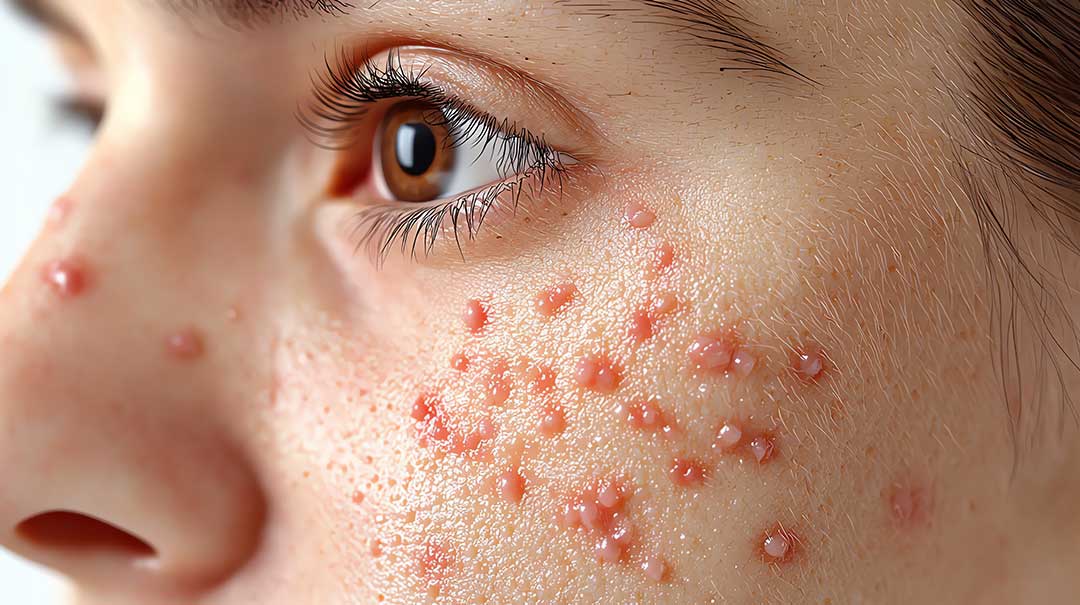
- More frequent acne breakouts, particularly on the face, neck, or back
- Flare-ups of eczema or psoriasis that might have been under control during calmer periods
- Skin becoming more sensitive to touch, soaps, or environmental factors like wind and pollen
Why Are Stress-Related Skin Problems Common in Mansfield Households?
The changing weather in Mansfield, from humid summers to brisk winters, can impact stress-related skin issues. Sudden shifts in temperature and humidity might worsen flare-ups when stress is already high. For instance, stress can make it harder for skin to retain moisture during dry or windy spells, increasing irritation or itchiness. Many residents also spend time outdoors, where allergens and sun exposure may amplify stressed skin reactions.
What Skin Symptoms Might Be Linked to Chronic Stress?
Chronic stress is associated with both new and worsening skin problems. Direct symptoms can include:
- Persistent itching or tingling
- Puffed or puffy areas, especially around the eyes
- Red patches or hives during stressful events
Long-term, stress can worsen pre-existing conditions like:
- Rosacea, which can cause facial redness and visible blood vessels
- Seborrheic dermatitis, which often appears as flaky patches along the scalp or eyebrows
People sometimes mistake these symptoms for allergies or poor hygiene, but the cause may actually be stress-related hormone changes.
Can Stress Really Cause Acne and Breakouts?
Yes—stress does not directly cause acne, but it can make existing acne worse or trigger new breakouts. This is especially noticeable for teens and adults in Mansfield coping with the routine pressures of school, work, or family life. During stressful stretches, many people unconsciously touch their face more often or skip parts of their skincare routine, increasing the risk of clogged pores. Sweat from sports or outdoor chores can also mix with heightened oil production, worsening blemishes.
How Can Residents of Mansfield Reduce the Impact of Stress on Their Skin?
Addressing stress-related skin problems involves both stress management and thoughtful skincare:
- Start with gentle, fragrance-free cleansers to remove sweat and allergens without stripping moisture.
- Avoid scrubbing or using harsh exfoliants—irritated skin is more likely to react to strong products.
- Use a daily moisturizer, even on oily or acne-prone skin, especially during dry or windy days.
- Pay attention to triggers: If late nights, certain foods, or particular activities regularly lead to breakouts or rashes, consider adapting these habits during stressful periods.
- Dress appropriately for local conditions—wide-brimmed hats during summer or layers in winter months protect against environmental stressors.
Mind-body tools, such as regular walks around area parks or simple breathing exercises, may help lower overall stress levels and support healthier skin.
Are Some Groups in Mansfield More Likely to Notice Stress-Related Skin Changes?
Certain groups may be more affected by stress’s impact on the skin:
- Teenagers facing peer and academic pressures often experience both increased stress and hormone fluctuations, heightening acne risk.
- Adult caregivers or people with demanding jobs may encounter persistent flare-ups due to ongoing emotional strain.
- Individuals with conditions like eczema, psoriasis, or rosacea can find symptoms harder to control during high-stress periods, particularly if their regular routines are disrupted.
Households where multiple generations share close quarters may also see more stress-induced skin issues, especially if privacy and downtime are limited.
Common Misconceptions About Stress and Skin
A few misunderstandings persist, such as:
- Myth: Only young people get stress-related breakouts. In reality, adults of any age can see flares.
- Myth: Washing the skin more often fixes stress breakouts. Over-washing can actually strip protective oils and worsen issues.
- Myth: Stress rashes always mean an allergy. Many red or bumpy skin changes result from hormonal responses, not new allergens.
Understanding these misconceptions helps area households take more targeted, effective steps.
When Should Stress-Related Skin Changes Raise Concern?
While most stress-related skin changes are temporary and can be eased at home, sudden severe symptoms deserve extra caution. This includes:
- Painful swelling or blistering
- Widespread, persistent rashes
- Signs of infection, such as pus, fever, or spreading redness
If these conditions occur, it may be necessary to seek advice from a healthcare professional, especially for young children, older adults, or people with compromised immune systems.