

 See My Latest Article on HelloNation
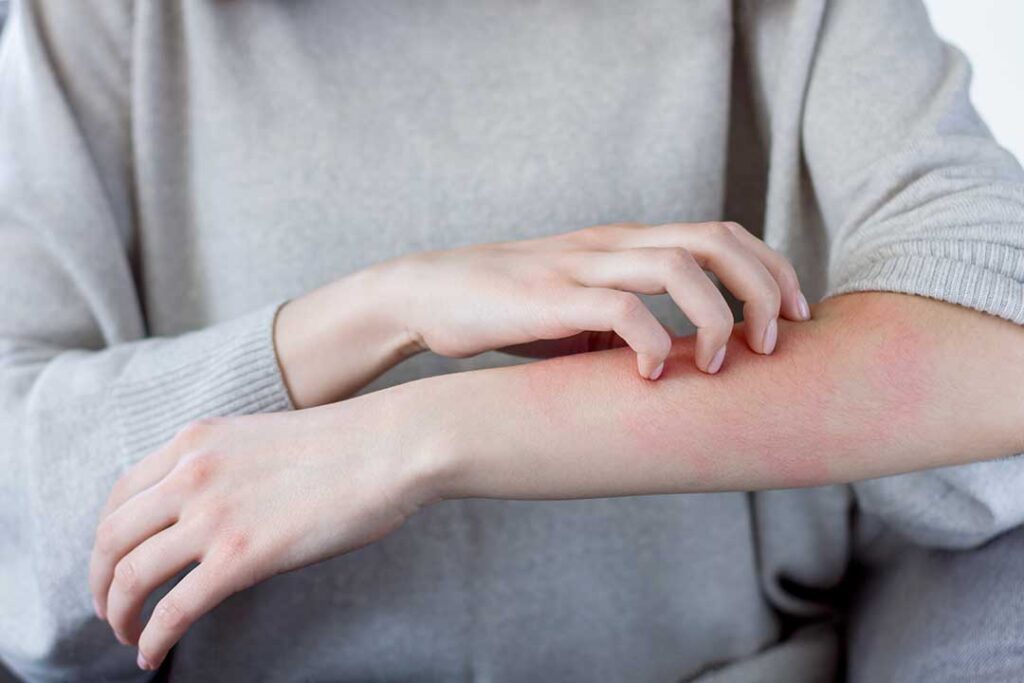
Why Does Itching Often Get Worse at Night?
Many people find that their skin feels itchier after sunset. This isn't just imagination. Itch can genuinely intensify once the day winds down. Naturally occurring changes in the body, as well as daily habits and the local environment in Mansfield, TX, can make evening irritation more noticeable.
What Happens to the Skin and Body Overnight?
The body’s internal clock, known as the circadian rhythm, changes how skin behaves throughout the day and night. As people settle into bed, skin temperature often rises while moisture levels can drop. Blood flow to the skin also increases in the evenings, which can trigger or worsen feelings of itch. Folks in the area may also notice that the dry air from air conditioning—common during Mansfield’s hot summers—pulls even more moisture from the skin at night.
How Can Indoor Environment in Mansfield Homes Affect Nighttime Itching?
Houses in Mansfield often rely on frequent heating in winter and strong air conditioning most of the year due to seasonal extremes. Both can reduce indoor humidity, drying skin and intensifying itch after dark. In addition:
- High pollen levels in certain seasons may filter indoors, causing irritation for those with sensitive or allergic skin.
- Dust mites and indoor allergens tend to build up in bedding and furnishings, especially if windows are kept closed to manage temperature, which is common in many area homes.
- Using scented laundry detergent or fabric softeners on bedding may also aggravate sensitive skin overnight.
Are Skin Conditions More Noticeable in the Evening?
For residents with chronic skin issues—like eczema, psoriasis, or dry skin—the natural drop in nighttime distractions can make symptoms harder to ignore. Scratching can become an unconscious response during nighttime rest and sleep. For some, even conditions that lie quiet during busy hours, such as hives or mild allergic reactions, may flare up around bedtime.
Can Stress or Sleep Habits Cause More Itch?
Yes, habits around bedtime matter. Many people in Mansfield lead busy, active days, and nighttime may be the first moment to really notice physical discomfort. Stress, worry, or lack of sleep can all heighten the sensation of itch.
- Stress is known to affect inflammation and immune responses in the skin, leading to more irritation or flare-ups.
- Scratching during sleep or the urge to scratch due to anxiety can damage the skin barrier, making irritation even worse by morning.
Do Certain Bedtime Routines Make Itching Worse?
Some common evening routines or comforts can make things harder for itchy skin:
- Hot showers strip natural oils from the surface.
- Wearing heavy or synthetic pajamas can trap heat, making itchiness more prominent.
- Using fragranced skincare products before bed may worsen irritation for sensitive skin.
Opting for lukewarm showers, choosing soft cotton sleepwear, and going fragrance-free for nighttime products can make a difference for many area residents.
How Do Seasonal Factors in Mansfield Come Into Play?
Mansfield experiences significant changes in humidity and temperature throughout the year, which impact indoor air and personal comfort:
- Spring and fall can bring surges in pollen, which may worsen allergy symptoms at night.
- Summers are hot and often dry indoors, due to AC use, which can exacerbate dry and itchy skin.
- Winters may be mild, but indoor heating still leads to low household humidity.

Simple changes like using a humidifier, washing bedding regularly, and adjusting shower routines can ease symptoms tied to these local seasonal shifts.
When Is Itching a Sign of Something More Serious?
Not all nighttime itching can be chalked up to routine factors. Persistent or severe nighttime itch, especially if it interrupts sleep or is accompanied by rashes, swelling, or pain, could signal underlying health issues. Some possibilities include:
- Allergic reactions or contact dermatitis from new bedding or detergents
- Infections, such as scabies or fungal rashes, which tend to intensify at night
- Health concerns unrelated to skin (for example, liver or kidney issues), though these are far less common
If itching is ongoing and cannot be traced to simple factors like dryness or routine irritation, a medical evaluation may be needed for peace of mind.
What Practical Steps Can Help Reduce Itching Overnight?
Residents in Mansfield can try a few proven steps to reduce night-time itch and improve comfort:
- Moisturize right after bathing, ideally with fragrance-free creams or ointments
- Use a cool-mist humidifier during dry months to boost bedroom humidity
- Launder bedding in unscented, gentle detergent and wash regularly to prevent allergen buildup
- Keep bedrooms cool rather than overly warm, as heat can trigger itch
- Choose loose, natural-fiber pajamas and avoid heavy blankets if possible
For most households in the city, these basic changes are effective at managing minor skin discomfort during sleep.