

 See My Latest Article on HelloNation
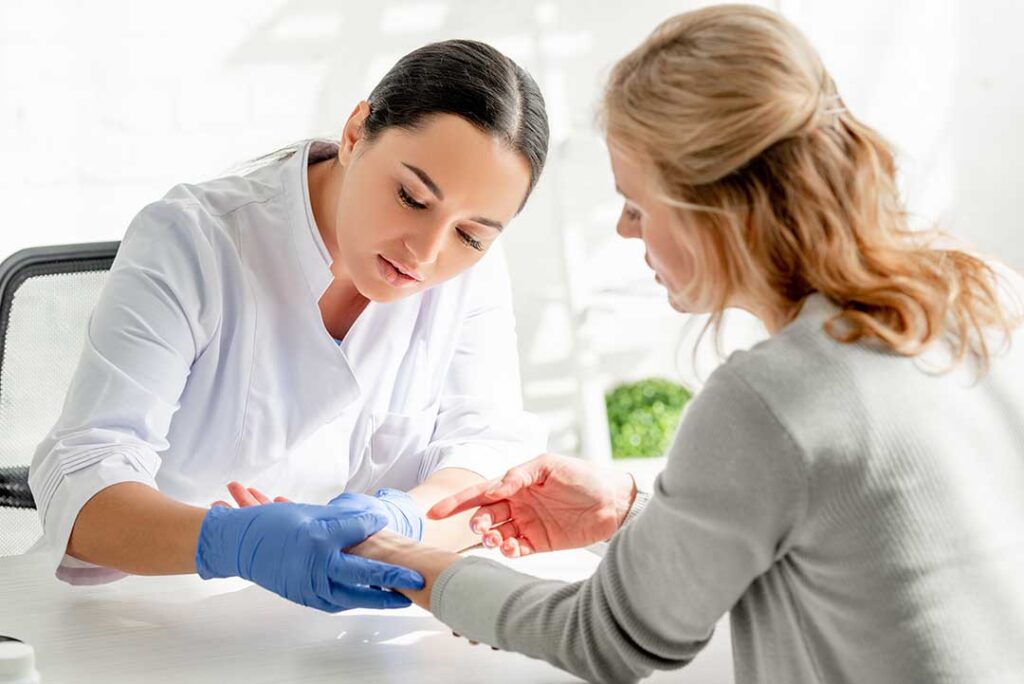
Rosacea is a long-term inflammatory skin condition that can cause facial flushing, persistent redness, visible blood vessels, burning, stinging, acne-like bumps, and sometimes eye irritation. It often appears in the center of the face, especially around the cheeks and nose, but symptoms can vary widely from person to person. ([niams.nih.gov](https://www.niams.nih.gov/health-topics/rosacea?utm_source=openai))
What does rosacea look and feel like?
Rosacea may begin with facial flushing that occurs more easily or lasts longer than usual. Over time, redness may remain between flare-ups rather than disappearing completely.
Common signs include:
- Redness or darker red, violet, or brown discoloration in the center of the face
- Warmth, tingling, burning, or stinging
- Small red or pus-filled bumps that resemble acne
- Fine visible blood vessels around the nose and cheeks
- Dry, rough, swollen, or easily irritated skin
- Thickening of the skin, particularly on the nose in more advanced cases
- Eye symptoms such as dryness, grittiness, redness, swelling, or recurring styes
Rosacea can be harder to recognize on darker skin tones because redness may be less obvious. Burning, warmth, swelling, acne-like bumps, or changes in skin texture may be more noticeable than color changes. ([niams.nih.gov](https://www.niams.nih.gov/health-topics/rosacea?utm_source=openai))
What causes rosacea?
The exact cause is not fully understood. Current evidence suggests that inherited tendencies, increased skin sensitivity, inflammation, ultraviolet light, and microorganisms that naturally live on the skin may all contribute.
Rosacea is not caused by poor hygiene, and it is not simply adult acne. It is also not contagious. Although alcohol and spicy foods can trigger flushing in some people, they do not cause rosacea in everyone.
The condition usually follows a cycle of flare-ups and calmer periods. Repeated flushing may eventually lead to redness that lasts longer, visible blood vessels, or skin thickening. Early attention can help reduce the chance that symptoms become more persistent. ([niams.nih.gov](https://www.niams.nih.gov/health-topics/rosacea?utm_source=openai))
Which triggers commonly make rosacea worse?
A trigger is anything that causes a flare or makes existing symptoms more noticeable. Triggers differ substantially between individuals, so avoiding every possible trigger is usually unnecessary and can make daily life more restrictive than needed.
Common triggers include:
- Sunlight and heat
- Hot weather, hot drinks, or hot showers
- Physical activity that raises body temperature
- Emotional stress
- Alcohol, particularly red wine for some people
- Spicy foods
- Wind and cold
- Hairspray, fragranced products, or irritating skin-care ingredients
- Certain medicines or supplements
For residents of Mansfield, bright sun and high outdoor temperatures can be especially relevant during warmer months. Outdoor exercise, yard work, sports, and extended time in a vehicle can combine heat, sunlight, and sweating. Using shade, a wide-brimmed hat, cooling breaks, and daily sunscreen may help reduce flares. ([aad.org](https://www.aad.org/public/diseases/rosacea/triggers/find?utm_source=openai))
A simple trigger diary can be useful. Record the time of a flare, recent foods or drinks, exercise, outdoor exposure, stress, skin-care products, and medications. Two weeks of notes may reveal patterns that are not obvious day to day.
How should sensitive skin be cared for?
Gentle skin care is a core part of rosacea management, whether or not medication is needed. Irritation can intensify redness and may interfere with treatment.
A practical routine includes:
- Wash with a mild, fragrance-free cleanser using fingertips rather than a scrubber.
- Rinse thoroughly with lukewarm water and pat dry.
- Apply a plain moisturizer after cleansing, even if the skin feels oily.
- Use broad-spectrum, water-resistant sunscreen with SPF 30 or higher.
- Consider mineral sunscreen ingredients such as zinc oxide or titanium dioxide if other sunscreens sting.
- Avoid scrubs, exfoliating brushes, astringents, toners, and products that burn on contact.
- Introduce only one new product at a time.
Ingredients that commonly irritate rosacea-prone skin include menthol, camphor, fragrance, glycolic acid, lactic acid, alcohol, and sodium lauryl sulfate. A product marketed for sensitive skin can still cause irritation, so testing a small area of skin for several days before applying it to the face is sensible. ([aad.org](https://www.aad.org/public/diseases/rosacea/triggers?utm_source=openai))
Hot water can also worsen flushing. A warm—not hot—shower and a cooler bedroom may be more comfortable during a flare.
Is rosacea the same as acne or an allergic reaction?
No. Rosacea can resemble acne because both conditions may cause bumps and pustules, but rosacea often includes flushing, burning, visible vessels, or sensitivity. Traditional acne commonly includes blackheads and whiteheads, which are not typical features of rosacea.
Rosacea can also resemble eczema, seborrheic dermatitis, contact dermatitis, lupus, or a reaction to a medication. Persistent facial redness should not be diagnosed from photographs alone. The correct treatment depends on identifying the underlying condition.
Over-the-counter acne products may worsen rosacea, especially those containing strong exfoliants, high-strength benzoyl peroxide, or irritating fragrances. A product that works for acne may not be appropriate for sensitive, flushing skin.
How is rosacea treated?
There is currently no permanent cure, but treatment can reduce symptoms, limit flares, and help prevent progression. Treatment is selected according to the dominant features.
Depending on the situation, medical treatment may include:
- Topical medication for inflammatory bumps
- Medication to reduce persistent facial redness
- Low-dose oral medication that targets inflammation
- Eye care measures for dryness or eyelid irritation
- Laser or light-based treatment for selected visible blood vessels or persistent redness
Some redness medications work temporarily by narrowing superficial blood vessels, while others address inflammation over a longer period. Improvement may take several weeks, and maintenance treatment is often needed. Medication should be used exactly as directed because even appropriate products can irritate sensitive skin when applied too frequently or combined with too many other active ingredients. ([aad.org](https://www.aad.org/public/diseases/rosacea/treatment/diagnosis-treat?utm_source=openai))
When do eye symptoms require prompt attention?
Eye involvement should not be dismissed as ordinary dry eye. Ocular rosacea may cause gritty or sandy sensations, burning, watery or dry eyes, eyelid swelling, crusting near the eyelashes, light sensitivity, or recurring styes.
Seek prompt medical evaluation for eye pain, blurred vision, marked light sensitivity, or worsening redness. Untreated ocular rosacea can sometimes damage the surface of the eye and affect vision. ([niams.nih.gov](https://www.niams.nih.gov/health-topics/rosacea?utm_source=openai))
When should facial redness be evaluated?
Persistent redness, repeated flushing, acne-like bumps that do not respond to ordinary acne care, or skin that frequently burns and stings deserves evaluation. A medical assessment is also appropriate if the nose appears to be enlarging or thickening, if symptoms interfere with exercise or outdoor activities, or if a new medication seems connected to facial flushing.
A diagnosis is based mainly on the pattern of symptoms and a skin examination. There is no single blood test that confirms rosacea. Keeping a list of skin-care products, medications, supplements, foods, and suspected triggers can make the evaluation more useful.