

 See My Latest Article on HelloNation
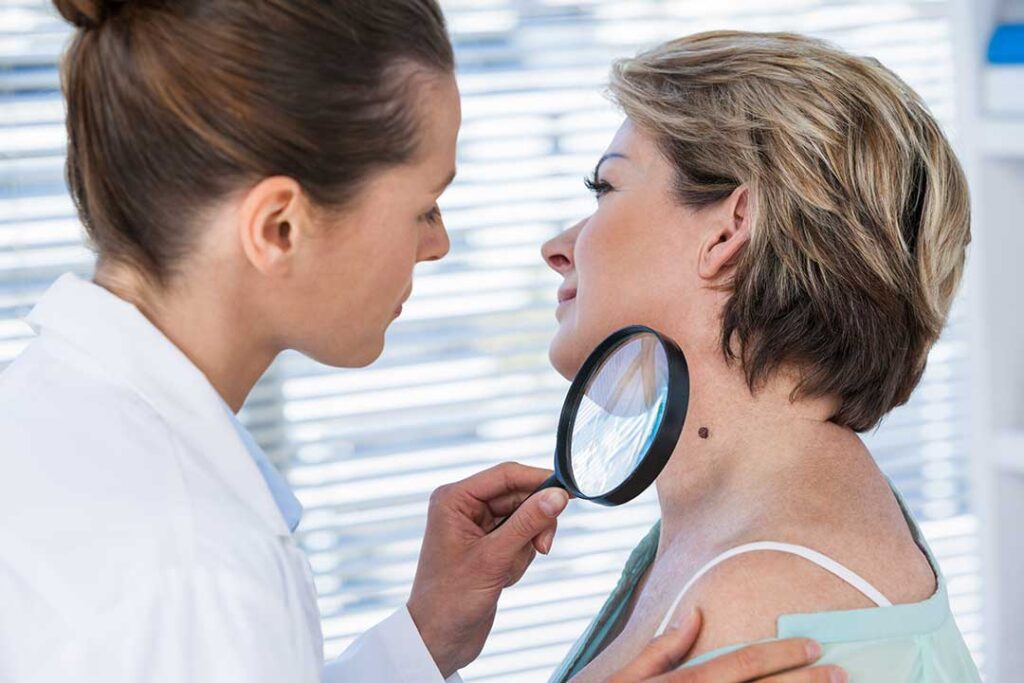
Living in Mansfield, TX means enjoying plenty of sunshine, outdoor activities, and community events under the Texas sky. However, with our active, sun-filled lifestyle comes an increased risk of skin cancer—a reality many may overlook until it's too late. As a trusted dermatology expert in Mansfield, I want to empower our community with knowledge about the common signs of skin cancer you should never ignore.
Why Awareness Matters in Sun-Soaked Mansfield
With our long summers, outdoor youth sports, neighborhood BBQs, and gardening traditions, skin cancer prevention and early detection become especially important. Texas ranks high for annual sunny days, and while this boosts our mood, it also raises our risk for UV exposure—the leading cause of most skin cancers.
Knowing what to look for can save lives. Early treatment almost always leads to better outcomes, preventing the spread or development of more serious conditions.
What Are the Most Common Types of Skin Cancer?
Before we talk about signs, it's important to understand the different types of skin cancer. The three most common types are:
- Basal cell carcinoma (BCC)
- Squamous cell carcinoma (SCC)
- Melanoma
BCC and SCC are more common and usually less aggressive, but melanoma, while rarer, is responsible for most skin cancer deaths due to its tendency to spread.
How Does Skin Cancer Commonly Present?
Skin cancer can look dramatically different from one person to another. However, here are general signs you should not ignore:
Unusual Growths or Lumps
- Any new, pearly, flesh-colored, or pinkish bump or nodule, especially on sun-exposed areas.
- Lesions that bleed easily, don't heal, or continue to return.
- Flat, firm, pale, or yellow areas, similar to a scar.
Non-Healing Sores
- Spots that look like sores but persist for weeks, especially if they bleed or ooze.
- A sore that heals and then returns in the same spot.
Changes in Moles or Freckles
- Rapidly growing moles or freckles.
- Moles with uneven borders, multiple colors, or asymmetrical shapes.
The "ABCDE" Rule for Melanoma Detection
Dermatologists recommend paying close attention to moles or spots using the "ABCDE" rule:
- A – Asymmetry: One half is unlike the other half.
- B – Border: Irregular, scalloped, or poorly defined border.
- C – Color: Varied from one area to another; shades of tan, brown, black, and sometimes white, red, or blue.
- D – Diameter: Melanomas are usually larger than 6mm (about the size of a pencil eraser), but they can be smaller.
- E – Evolving: A mole or skin lesion that looks different from the rest or is changing in size, shape, or color.
If you spot any of these signs on yourself or a loved one, consult a Mansfield dermatologist promptly.
Where on the Body Does Skin Cancer Appear?
While skin cancer can occur anywhere, residents in Mansfield are especially at risk on areas frequently exposed to the sun:
- Face, nose, and ears (common with frequent outdoor activity)
- Scalp (for those with thinning hair or without hats)
- Neck, backs of the hands, and arms
- Legs, particularly in women

Remember, skin cancer can also develop in less obvious areas, such as between the toes or under fingernails.
Myths About Skin Cancer Risk in Mansfield
Let’s clear up a few misconceptions:
- Darker skin tones don’t get skin cancer: While the risk is lower, people of all skin tones can develop skin cancer.
- Only old sunburns matter: Cumulative sun exposure, not just childhood sunburns, play a significant role in risk.
- Sunscreen eliminates all risk: While sunscreen reduces UV exposure, no method is 100% protective. Check your skin regularly.
When to See a Dermatologist in Mansfield, TX
If you notice any of the warning signs above, it’s time to schedule a skin check. Even something as small as a pimple-like bump that won’t heal may be significant. Early intervention is key, and local dermatologists are well-equipped to offer screening, diagnosis, and treatment tailored to the lifestyle and climate challenges of our community.
Preventing Skin Cancer in Mansfield’s Climate
The best treatment is prevention. Here are practical tips for locals:
- Apply broad-spectrum sunscreen daily, even in winter or on cloudy days.
- Wear wide-brimmed hats and UV-protective clothing during outdoor activities.
- Seek shade during peak sunlight hours (10am–4pm).
- Encourage children and teens—who love Mansfield’s parks and sports—to use sunscreen and protective clothing.
Frequently Asked Questions From Mansfield Residents
1. How often should I check my skin?
Perform a self-exam once a month and see a dermatologist yearly, or more often if you have risk factors.
2. What if my mole looks the same as always, but I’m worried?
If you are concerned, don’t wait—professional evaluation offers reassurance and prompt action if needed.
3. Are tanning beds safe?
No. Tanning beds are a major skin cancer risk factor and should be avoided altogether.
4. Can children get skin cancer?
Yes. While rarer, children and teens can develop skin cancers, emphasizing the need for lifelong sun protection.
Conclusion: Stay Sun-Safe, Stay Vigilant
Skin cancer is common, but so is successful treatment—when caught early. Mansfield’s active outdoor lifestyle should be a source of joy, not worry. Make skin checks a part of your routine, and never hesitate to contact a dermatology professional if you spot a concerning change. Early detection is your strongest defense and helps keep you and your family safe under our beautiful Texas sun.