

 See My Latest Article on HelloNation
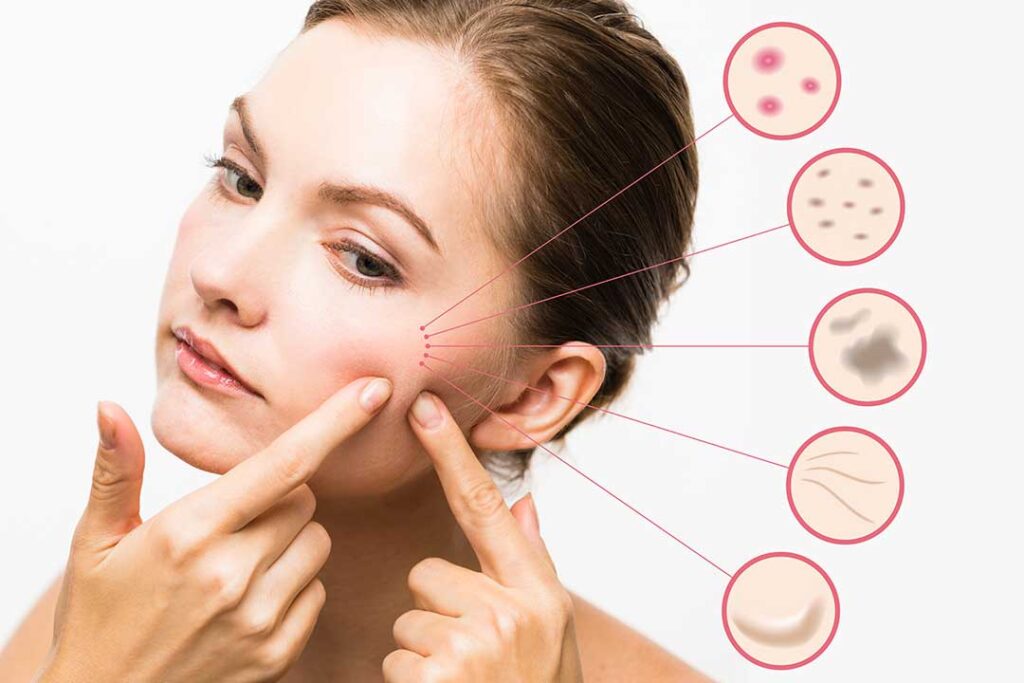
Acne is influenced by hormones, genetics, skin oil, inflammation, clogged pores, medications, and everyday habits. Food may also affect breakouts for some people, but diet is rarely the only cause. The most useful approach is to look for consistent patterns while maintaining balanced nutrition and proven skin care.
Can certain foods really trigger acne?
Yes, some dietary patterns are associated with more frequent or severe acne, particularly diets high in rapidly digested carbohydrates. However, a food that seems to worsen one person’s skin may have no effect on someone else.
The strongest dietary clue involves high-glycemic foods. These foods raise blood sugar quickly, which may increase insulin-related signals, inflammation, and oil production. Together, those changes can contribute to clogged pores and inflamed pimples.
Common high-glycemic choices include:
- Sugary soft drinks, sweet tea, sports drinks, and energy drinks
- Candy, pastries, doughnuts, and heavily sweetened desserts
- White bread, many refined breakfast cereals, and crackers
- Large servings of white rice or potatoes
- Chips and other highly processed snack foods
This does not mean that eating one dessert will cause a breakout the next morning. Acne develops over time, and individual lesions can take days or weeks to form. A repeated dietary pattern is more relevant than a single meal.
For residents managing hot weather and active routines, sweet drinks can become an easy source of frequent sugar. Replacing some of these beverages with water or unsweetened options may be a practical change, especially if sugary drinks are consumed daily.
Does milk make acne worse?
Cow’s milk has been linked with acne in several studies, including whole, reduced-fat, and skim milk. The association appears to be more consistent for milk than for all dairy foods as a group, though research is not completely uniform.
Milk may influence acne through hormonal and insulin-related pathways. Skim and low-fat milk have received particular attention, but switching between types of cow’s milk does not guarantee that breakouts will improve.
The evidence is less clear for yogurt and cheese. Some studies have found associations with dairy overall, while others have not shown that yogurt or cheese consistently worsens acne. Sweetened dairy products may also contain substantial amounts of sugar, making it difficult to separate the possible effect of dairy from the effect of a high-glycemic diet.
A person who suspects milk is contributing to acne can track intake and skin changes rather than eliminating every dairy product immediately. Nutrition matters, especially for growing adolescents, and unnecessary restriction can make it harder to obtain calcium, vitamin D, protein, and other nutrients.
What foods may support clearer skin?
No food reliably clears acne by itself, but a balanced, lower-glycemic eating pattern may help reduce factors associated with breakouts.
Helpful choices often include:
- Beans, lentils, and peas
- Steel-cut or old-fashioned oats
- Non-starchy vegetables
- Whole fruits instead of fruit drinks
- Nuts and seeds in moderate portions
- Fish and other sources of omega-3 fatty acids
- High-fiber whole grains
- Adequate protein from varied sources
These foods tend to digest more slowly or provide fiber, vitamins, minerals, and anti-inflammatory fats. A plate built around vegetables, protein, and a high-fiber carbohydrate is generally more useful than focusing on a single “acne-fighting” ingredient.
Omega-3 fats from foods such as salmon, sardines, walnuts, chia seeds, and ground flaxseed may support a less inflammatory dietary pattern. Research on omega-3 supplements for acne is still limited, so supplements should not be treated as a replacement for standard acne care.

Is chocolate the cause of breakouts?
Chocolate itself is not a proven universal cause of acne. Research has raised questions about certain chocolate products, but many contain added sugar and milk, which may be more relevant than cocoa alone.
If chocolate seems connected with breakouts, examine the entire product and the surrounding eating pattern. A highly sweetened bar eaten frequently may have a different effect from a small portion of dark chocolate with little added sugar. Even then, a personal pattern should be confirmed over time rather than assumed after one blemish.
How can someone test whether a food is a personal trigger?
A simple food-and-skin diary can be more informative than guessing. Record meals, beverages, supplements, skin products, menstrual-cycle timing when relevant, stress, sleep, and new breakouts for several weeks.
Look for:
- A repeated relationship between a food and worsening acne
- Changes that occur after frequent rather than occasional intake
- Similar breakouts during more than one observation period
- Other explanations, such as a new product, medication, stress, or increased sweating
If a possible trigger is identified, remove only that item or category for a reasonable trial while keeping the rest of the diet stable. Reintroducing it later may help clarify whether the relationship is real. Severe restriction, multiple simultaneous eliminations, or rapid weight-loss diets can create nutritional problems and make the results impossible to interpret.
What foods should not be blamed for every breakout?
Greasy food does not automatically make facial skin greasy. Acne is not caused by poor hygiene, and eating pizza, fries, or a hamburger does not guarantee a breakout. These meals may be part of a high-glycemic or highly processed eating pattern, but their fat content alone does not explain every case.
Food allergies are also not a common explanation for ordinary acne. An allergy is more likely to cause symptoms such as hives, swelling, vomiting, wheezing, or an itchy rash rather than typical blackheads, whiteheads, and inflamed pimples.
Sweat and humidity can make acne feel worse by mixing with oil, sunscreen, hair products, and friction from hats, helmets, masks, or athletic clothing. In warm seasons, gentle cleansing after heavy sweating and choosing non-comedogenic skin products may matter as much as dietary changes.
Can diet alone clear acne?
Usually, no. Dietary improvements may reduce a contributing factor, but acne often requires a consistent skin-care routine or medication. Diet changes also do not quickly remove existing clogged pores or deep, painful lesions.
Consider medical evaluation when acne is leaving dark marks or scars, forming painful nodules, appearing suddenly in adulthood, affecting the chest or back extensively, or causing significant distress. Persistent acne may also reflect hormonal or medication-related factors that food changes cannot address.
A practical starting point is to reduce frequent sugary drinks and refined snack foods, choose more fiber-rich meals, maintain adequate hydration, and observe whether milk or another repeated food pattern corresponds with breakouts. The goal is not a restrictive “acne diet,” but a sustainable eating pattern that supports overall health while recognizing individual triggers.