

 See My Latest Article on HelloNation
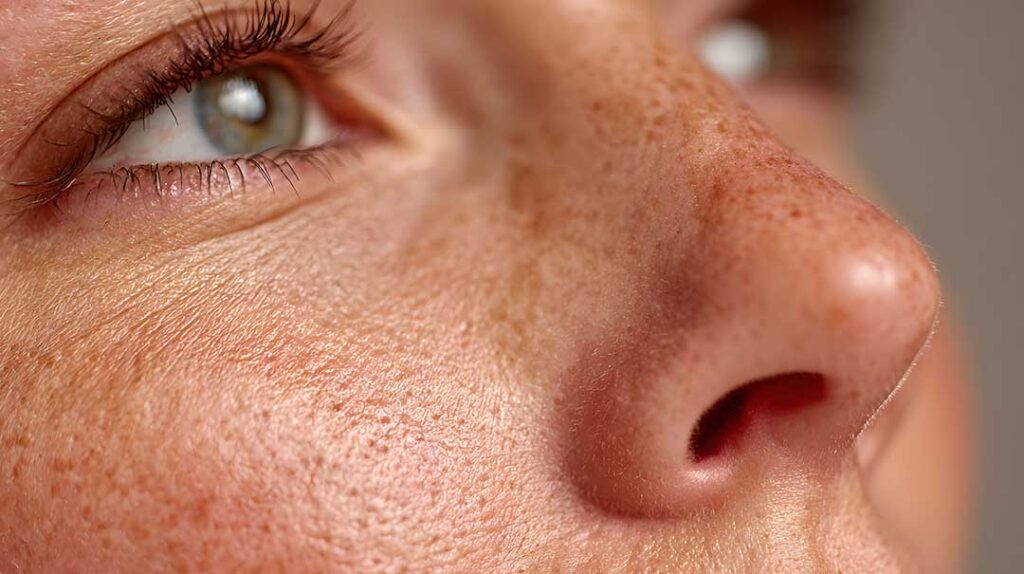
Chemical peels can make skin look smoother and brighter by loosening or removing damaged surface cells. At-home products may offer mild exfoliation, but stronger “peel” products can cause burns, infection, lasting discoloration, or scars when used without medical supervision.
What is an at-home chemical peel?
An at-home chemical peel is a product containing an exfoliating acid applied to the skin for a limited period. Common ingredients include alpha hydroxy acids such as glycolic or lactic acid, beta hydroxy acids such as salicylic acid, and, in stronger products, trichloroacetic acid.
These ingredients work by weakening the bonds between surface skin cells. A mild product may cause little more than temporary tingling and mild flaking. A stronger formula can penetrate more deeply and create an injury similar to a controlled chemical burn.
The word “peel” does not reliably indicate how powerful a product is. Concentration, acidity, application time, the number of layers, and the condition of the skin all affect the outcome.
What benefits might a mild product provide?
A carefully selected, low-strength exfoliating product may provide modest improvement in surface texture and dullness. Possible benefits include:
- Smoother-feeling skin
- Less visible surface flaking
- A brighter or more even appearance
- Temporary reduction in the look of clogged pores
- Mild improvement in some discoloration caused by surface buildup
Salicylic acid may be useful for some oily or acne-prone skin because it can move into oily pores. Glycolic and lactic acids may help loosen dry, rough surface cells. These effects are generally gradual and limited. An at-home product is not expected to erase deep acne scars, significant wrinkles, pronounced sun damage, or established melasma.
Exfoliation can also make skin more sensitive to other products. Using several active ingredients together may create irritation rather than better results.
What are the main risks?
The most serious risk is a chemical burn. Burning pain, intense redness, swelling, blistering, open areas, or severe tenderness are not signs that a peel is “working.” They may indicate skin injury.
Other possible complications include:
- Persistent redness or irritation
- Infection
- Darkening or lightening of the skin
- Scarring or changes in skin texture
- Worsening acne or dermatitis
- Eye injury if the product spreads
- Increased sensitivity to sunlight
The risk is higher with products containing very high concentrations of acids, products with unclear labeling, and formulas purchased from sellers that do not clearly identify the ingredients and strength. Products promoted as professional-strength or containing very high percentages of glycolic acid, lactic acid, salicylic acid, or trichloroacetic acid should not be treated like ordinary facial exfoliants.
Who should be especially cautious?
At-home peels may be a poor choice for people with eczema, rosacea, psoriasis, active acne inflammation, open sores, sunburn, or a damaged skin barrier. They can also be risky for anyone who develops dark marks easily after acne, insect bites, or minor injuries.
People with darker skin tones can use some exfoliating treatments safely, but aggressive peeling carries a greater risk of post-inflammatory hyperpigmentation or lighter patches. A burn that heals without a scar can still leave discoloration lasting for months or longer.
Extra caution is needed when using retinoids, retinol, benzoyl peroxide, prescription acne medicines, exfoliating toners, or other acids. Combining these products can weaken the skin barrier and make a peel substantially more irritating.
Recent waxing, shaving-related irritation, laser treatments, microneedling, or other cosmetic procedures can also increase sensitivity. A history of cold sores around the mouth, easy scarring, or use of isotretinoin should be discussed with a qualified medical professional before any significant peel.
How does the local climate affect peel safety?
Mansfield has long periods of strong sunlight and hot weather. Heat, sweating, outdoor activities, and difficulty avoiding sunlight can make recovery more uncomfortable and increase the chance of irritation or discoloration after exfoliation.
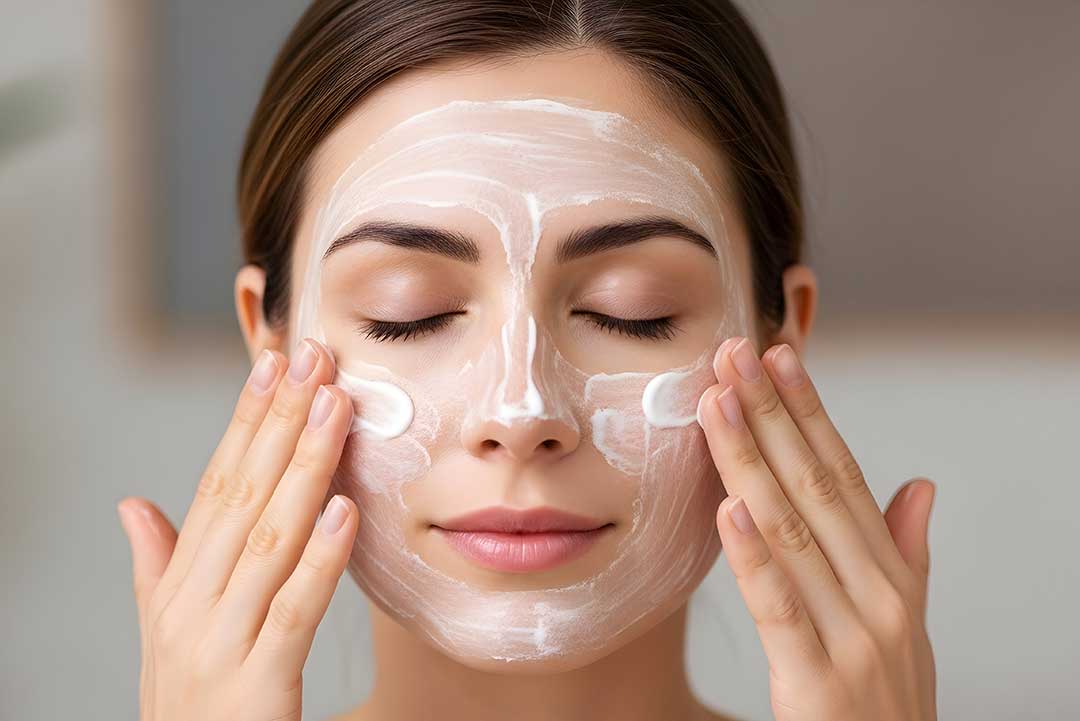
A peel should not be used immediately before outdoor events, swimming, sports, yard work, or extended time in direct sun. Even brief unprotected exposure can worsen discoloration while the skin is healing. Daily broad-spectrum sunscreen, protective clothing, shade, and gentle skin care are especially relevant during the brighter and hotter parts of the year.
Indoor heat and air conditioning can also leave skin dry, which may increase stinging after exfoliation. A simple moisturizer may be more useful than adding another active product.
What is the safest way to approach mild at-home exfoliation?
For people who decide to use a mild exfoliating product, the safest approach is conservative:
- Read the entire label and avoid products with missing, unclear, or inconsistent ingredient information.
- Use only the stated amount and leave it on for no longer than directed.
- Do not layer multiple acids or combine a peel with retinoids, retinol, benzoyl peroxide, scrubs, or abrasive brushes.
- Avoid the eyelids, corners of the nose, lips, and any broken or irritated skin.
- Test a small area first, recognizing that a small-area test cannot guarantee complete safety.
- Use a bland moisturizer afterward.
- Wear sunscreen and limit direct sun exposure while the skin is sensitive.
- Do not pick, scrub, or pull off peeling skin.
A mild tingling sensation can occur, but increasing pain, intense heat, swelling, or blistering warrants immediate removal according to the product directions and prompt medical advice.
When should an at-home peel be stopped?
Stop using the product if there is severe burning, marked swelling, hives, blistering, gray or white discoloration, bleeding, spreading redness, pus, or worsening pain. Eye exposure, facial swelling that affects breathing, or symptoms of a serious allergic reaction requires urgent medical attention.
Do not apply another product to “neutralize” the peel unless the label specifically instructs it. Household substances can worsen an injury. Rinse as directed, avoid rubbing, and keep the packaging available so a medical professional can identify the ingredients and concentration.
Are professional chemical peels safer?
A supervised peel is not risk-free, but safety depends on selecting the appropriate chemical, strength, application time, and aftercare for the individual’s skin. A dermatology professional can also determine whether discoloration is melasma, post-inflammatory pigmentation, a precancerous spot, or another condition that should not be treated with an over-the-counter peel.
The U.S. Food and Drug Administration has warned about serious injuries from certain high-strength chemical peel products sold for home use. Products containing very high concentrations of common acids or trichloroacetic acid can cause deep burns and permanent skin changes.
For many Mansfield households, the safer starting point is not a stronger peel but a simple routine: gentle cleansing, moisturizer, and consistent sun protection. If persistent acne, dark spots, rough patches, or uneven texture do not improve, the underlying cause should be identified before increasing exfoliation.